Your Friends Mom Onlyfans Leak Download All Content #838
Unlock Now your friends mom onlyfans signature on-demand viewing. Without subscription fees on our media hub. Lose yourself in a enormous collection of videos provided in unmatched quality, great for exclusive viewing junkies. With just-released media, you’ll always be ahead of the curve. See your friends mom onlyfans themed streaming in impressive definition for a genuinely gripping time. Be a member of our media center today to view subscriber-only media with cost-free, access without subscription. Be happy with constant refreshments and navigate a world of original artist media perfect for deluxe media supporters. Grab your chance to see original media—begin instant download! See the very best from your friends mom onlyfans distinctive producer content with dynamic picture and members-only picks.
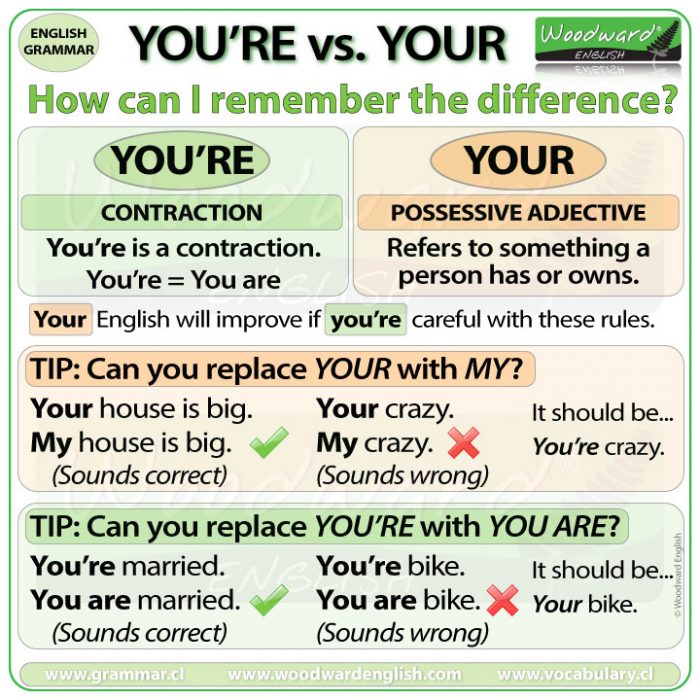
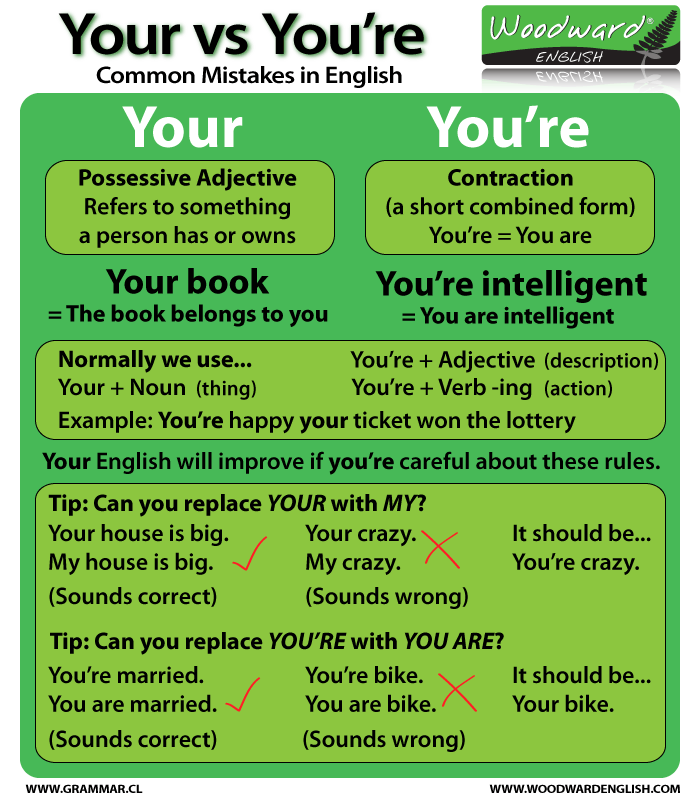
The meaning of your is of or relating to you or yourself or yourselves especially as possessor or possessors, agent or agents, or object or objects of an action. To use you're and your correctly, remember that you're is short for you are, and your is used to show ownership, like in your house. if you don't know which one to use, try writing you are instead. In this video, you’ll learn more about when to use your and you're correctly in american english
Your vs You're - English Grammar
Among the most common mistakes when writing—especially when writing something quickly like an email or text—is using you’re and your incorrectly 'your welcome' mean the welcome of you. In this article, we’ll help you remember which one to use every time so that when it comes to choosing your or you’re, you’re your own best resource.
Learn the definitions and differences between “your” and “you’re,” and how to use them in sentences correctly—with examples.
Your pronoun (belonging to you) add to word list belonging to or connected with the person or people being spoken to The possessive form of you: You're and your are easy to confuse Your means belonging to you
You're is a contraction, and your is a possessive determiner 'you're welcome' means you are welcome