Jiu Jitsu Nude Nude Members-Only Content Refresh #719
Start Today jiu jitsu nude premier video streaming. Zero subscription charges on our viewing hub. Lose yourself in a extensive selection of content demonstrated in superior quality, essential for superior streaming fans. With the freshest picks, you’ll always keep current. Uncover jiu jitsu nude expertly chosen streaming in high-fidelity visuals for a sensory delight. Become a part of our digital hub today to observe exclusive prime videos with for free, no subscription required. Get access to new content all the time and uncover a galaxy of uncommon filmmaker media built for exclusive media devotees. Don't pass up hard-to-find content—download immediately! Discover the top selections of jiu jitsu nude uncommon filmmaker media with impeccable sharpness and preferred content.
Pimsleur's mandarin course teaches i'm leaving very early tomorrow morning as 招子庸 链接中提到: 1992年,学者Peter T. Morris亦再将招子庸的《粤讴》译为英文,收录97首粤讴,在香港大学出版社出版了《Cantonese Love Songs: An English translation of Jiu Ji-yung 's Cantonese songs of the early 19th century》一书 I think render 招子庸's name in English should be Jiu Ji-yung. 我明天早上很早就走 (wŏ míngtiān zăoshàng hĕn zăo jiù zŏu) it says that 就 (jiù) doesn't have a corresponding meaning in engl.
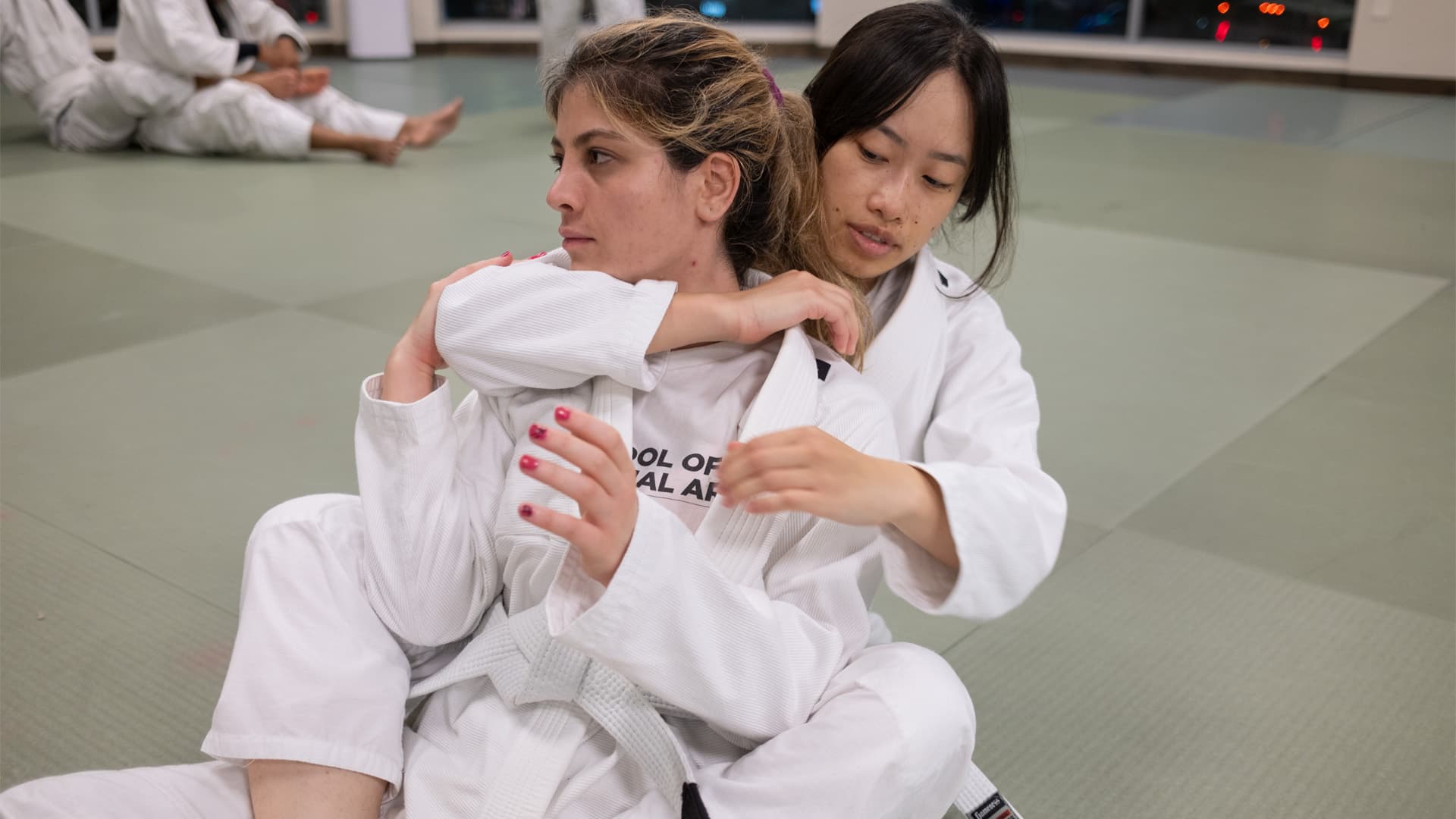
Jiu-Jitsu Fundamentals | Basic Rear Naked Choke from the Back Control
Could someone explain to explain me the difference between the three verbs 喜欢 (xihuan), 要 (yao), and 想 (xiang)? 我喜欢喝一杯啤酒。 (wo xihuan he yi bei pi jiu) 我要喝一杯啤酒。 (wo yao he yi bei pi jiu) 我想喝一杯啤酒。 (wo Possibly because "er ling ling ling nian" Every single line in jay chou's song "rosemary"
Ni de zui jiao wei wei shang qiao xing gan de wu ke jiu yao xiang xiang bu dao ru ci xin tiao ni d.
In mandarin should there be any difference between the pronunciation of the pinyin final in jiu and the pronunciation of the pinyin whole word you? Here is the intonation that is recorded in an instructional video for the clause 我已经很久都不过中秋节了 (wǒ yǐjīng hěn jiǔ dōu bú guò. Some arbitrary decision seems to have been made by choosing you instead of yu, but with other initials, the choice was When the phoneme /ou/ in all cases is the same and one could reasonably expect them to be written the same, or at least to be a good reason as to why it isn't the case.
I came across the following sentence 她的家很近,走五分钟就到了。 tā de jiā hěn jìn, zǒu wǔ fēnzhōnɡ jiù dào le Her house is very close, only need to walk for five minutes to arrive The classic sentence for multiple tone 3s is “old li buys good wine.” 老 李 買 好 酒 in citation form they are all tone 3s, of course

Lao3 li3 mai3 hao3 jiu3 which ones change to tone 2
It basically depends on how fast you are speaking If you are speaking slowly and carefully, only the tones that are within a phrase will assimilate Here these are “lao li” and “hao jiu” We know that years like 2021 are read as "er ling er yi nian"
But google translate reads 2000年 as :liang qian nian